Choosing a Weapon Light: Lumens, Candela and the Questions That Actually Matter
Every light listing leads with a lumen figure, and lumens are the least useful number on the box. What a weapon light has to do is show you what is at the far end of a dark room or a dark field, through the glare of your own beam bouncing back off walls and dust, and let you identify it before you decide anything. That job is done by candela, beam shape and the position of the light on the gun, not by raw output. This guide explains the numbers, then walks through pistol lights, rifle lights, batteries and activation so you buy once.
Lumens and candela
Lumens measure the total light leaving the head in every direction. Candela measures the intensity at the brightest point of the beam. Two lights with the same lumens can have very different candela depending on the reflector: a wide reflector spreads the same light into a broad, soft wash with low candela; a deep, narrow reflector concentrates it into a hot centre with high candela and a dimmer spill around it. Candela is what pushes a beam through fog, dust and the bounce off a white wall, and it is what lets you see a hundred yards down a field edge. Lumens fill a room. For a pistol used inside a house, a broad beam of a few hundred lumens with moderate candela is ideal. For a rifle used outside, candela in the tens of thousands matters more than lumens.
A rough rule: inside, look for 500 to 1,000 lumens with 5,000 to 20,000 candela; outside on a rifle, look for 50,000 candela or more and do not worry much about lumens. Anything brighter inside a house blinds you with your own bounce.
Pistol lights
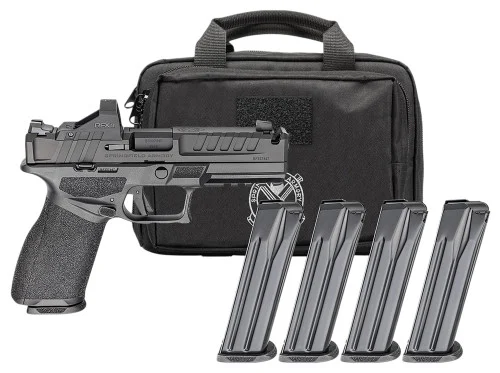
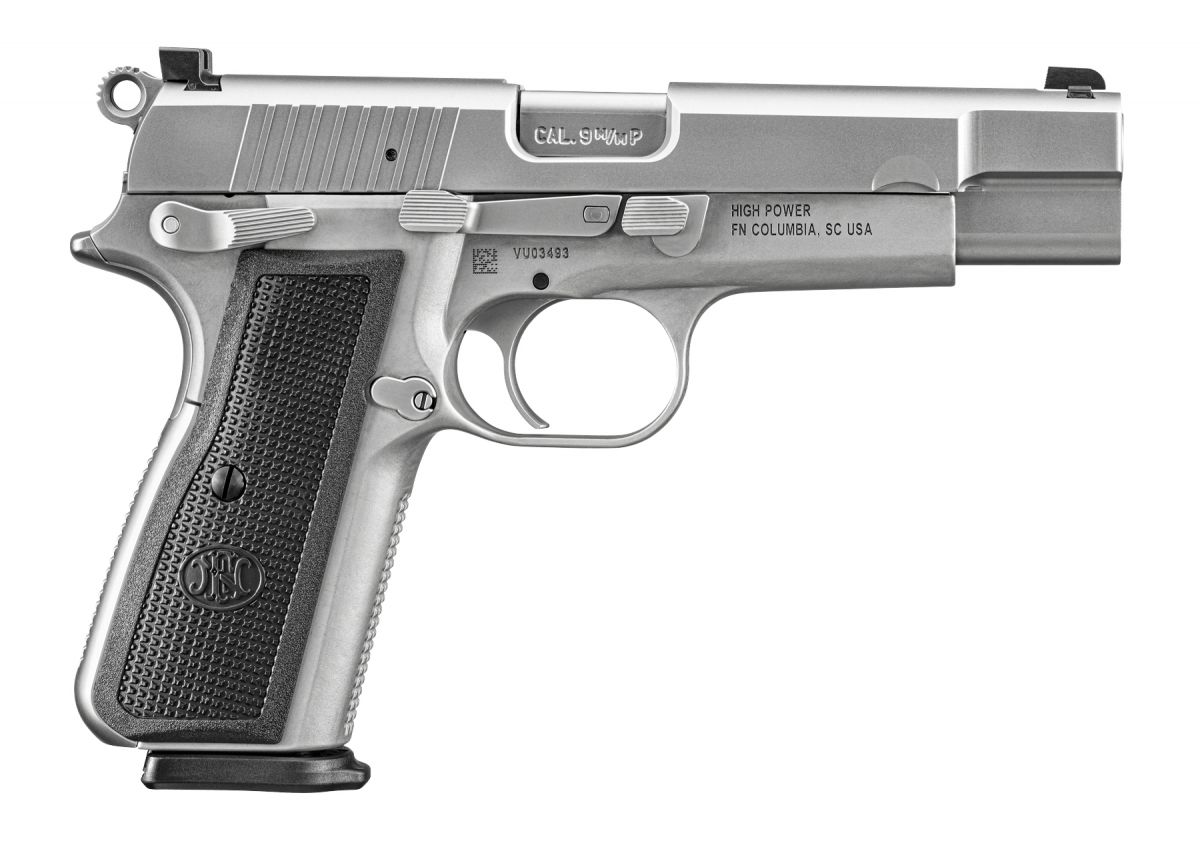
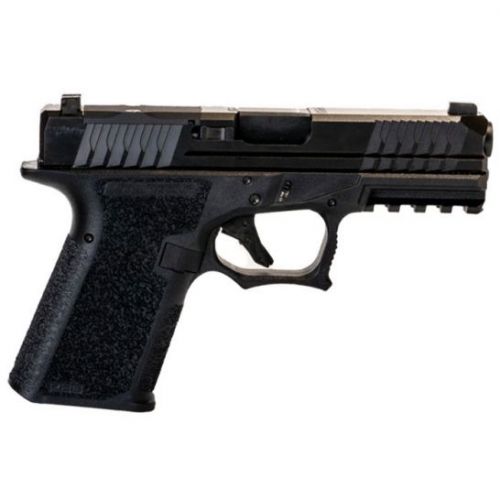
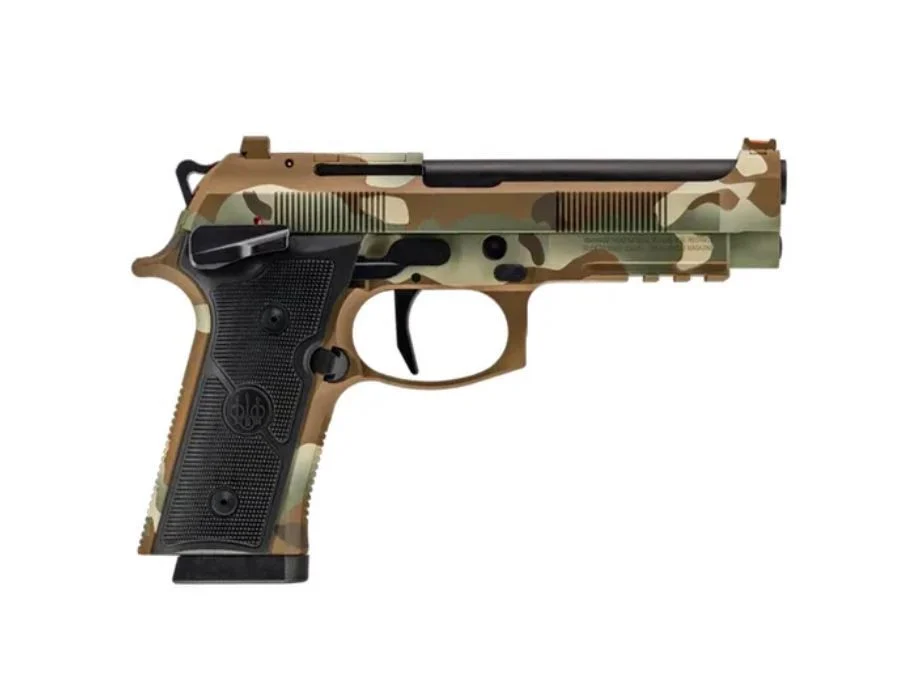
A pistol light mounts on the frame rail under the barrel and adds two to five ounces at the muzzle. The important questions are: does a holster exist for your pistol with this light, does the light's body clear the trigger guard on a subcompact, and how do you turn it on. Most full-size pistol lights use paddles either side of the trigger guard that your trigger finger or support-hand thumb can reach; subcompact lights use a rear button. Try the activation with the gun in your grip before you commit, because a paddle that needs a shifted grip is a paddle you will not use under stress. Battery life on a pistol light is short, an hour or two at full output, which is fine because a pistol light runs in bursts.
Rifle lights
A rifle light sits on the handguard, ideally far enough forward that the barrel and any muzzle device do not throw a shadow across the beam. The body is usually a one-inch or scout-style head with a tail-cap button, a remote pressure pad on a cable, or both. Head size decides candela: an inch-and-a-quarter head with a deep reflector will out-throw a small head with more lumens every time. Mount choice is covered in the mounting guide; the short version is to put the light where your support-hand thumb lands naturally and to keep cables short and clamped.
Batteries
Three chemistries cover nearly every light. CR123A lithium primaries have a ten-year shelf life, work in the cold and are the right choice for a light that sits in a drawer or a safe for months; they are expensive per hour of runtime. Rechargeable 18650 and 18350 cells give higher output and cost pennies to run but self-discharge over months and need a charger; they are right for a light you use every week. Built-in rechargeable packs with a USB port are convenient on small pistol lights and useless the day the port fails. A light that accepts both a rechargeable cell and CR123s is the flexible choice.
Activation and modes
A weapon light needs two things: momentary on while you hold the button, and constant on with a click. It does not need strobe, and it does not need a low mode that you can trigger by accident. Some lights ship with strobe in the button sequence; look for a version where it can be locked out. On a rifle, a pressure pad on the handguard plus the tail-cap button as a backup is the standard set-up; make sure the pad is a proper momentary pad and that the cable is protected from the muzzle blast and the sling.
Colour and the beam
Most weapon lights are cool white. A slightly warmer tint renders colour better and cuts less through fog, which is why some outdoor lights offer neutral or warm emitters. A beam with a distinct hot centre and a wide spill is what you want; a beam that is all centre leaves you blind at the edges, and a beam that is all spill has no reach.
Durability and mounting hardware
A light on a pistol takes a shock every shot, and a light on a rifle takes a bigger one. Aluminium bodies with glass lenses, o-ring seals and a rated drop height are the minimum. Cheap lights fail at the tail-cap threads and at the lens seal. Mounts should be steel or hard-anodised aluminium with a real clamp, not a spring clip, and the light should be torqued to the mount's figure.
A short buying list
- Home-defence pistol: 500 to 1,000 lumens, moderate candela, paddle activation, a holster that fits.
- Carry pistol: a slim subcompact light with a rear button and a light-bearing holster.
- Rifle inside 100 yards: a scout-style head with 50,000 candela and a pressure pad.
- Rifle for fields and hogs: the deepest reflector you can mount, 80,000 candela or more, CR123 or 18650 cells.
Compare the pistol light against a handheld before you decide it must be mounted, and browse weapon lights and mounts in the catalogue.
General information, not legal advice. Current as of September 2026. Laws change; check the official source before you act.